How do you define health?
A few weeks ago, someone asked me a simple question: how do you define health?
It took me a few seconds to answer. Not because I didn’t know, but because I’d never really had to put it into words before.
When I gathered my thoughts, what came out was this: health isn’t one thing, and I don’t think it can have a single universal definition. It looks different from person to person because we live different lives, carry different genetics, and walk different paths.
Still, there are some fundamentals I believe give us a strong foundation for understanding what health can be. To me, it is physical, mental, soulful, and communal all at once, a web of interconnected parts that only really make sense when we look at them together.
I’m not usually one for boxes. Life rarely fits neatly into categories, and health least of all. But if I had to give the thought some shape, I’d say health lives in four places: body, mind, soul, and community.
The body
The body starts with the basics: water, food, oxygen, the raw necessities of being alive.
But physical health extends far beyond those basics. It includes the environment we live in every day: the homes we return to, the products we surround ourselves with, and the spaces where we spend our time.
Then there is how we care for the body itself: moving regularly, nourishing ourselves well, getting enough rest, and supporting our individual needs where necessary.
Perhaps most importantly, it is about actually being present in our bodies rather than simply carrying them through the motions of the day.
I also believe health shows up in our ability to find our way back. Life inevitably pulls us out of our routines. We get stressed, travel, sleep badly, become overwhelmed, or simply have periods when taking care of ourselves becomes harder. Health isn’t about never losing our balance; it is also about developing the resilience to return to it.
When the body knows not only how to function, but how to recover, I think we’ve come a long way.
The mind
The mind is the inner landscape through which we experience our lives. It holds our personality, emotions, memories, beliefs, recurring thoughts, and the experiences that have shaped us.
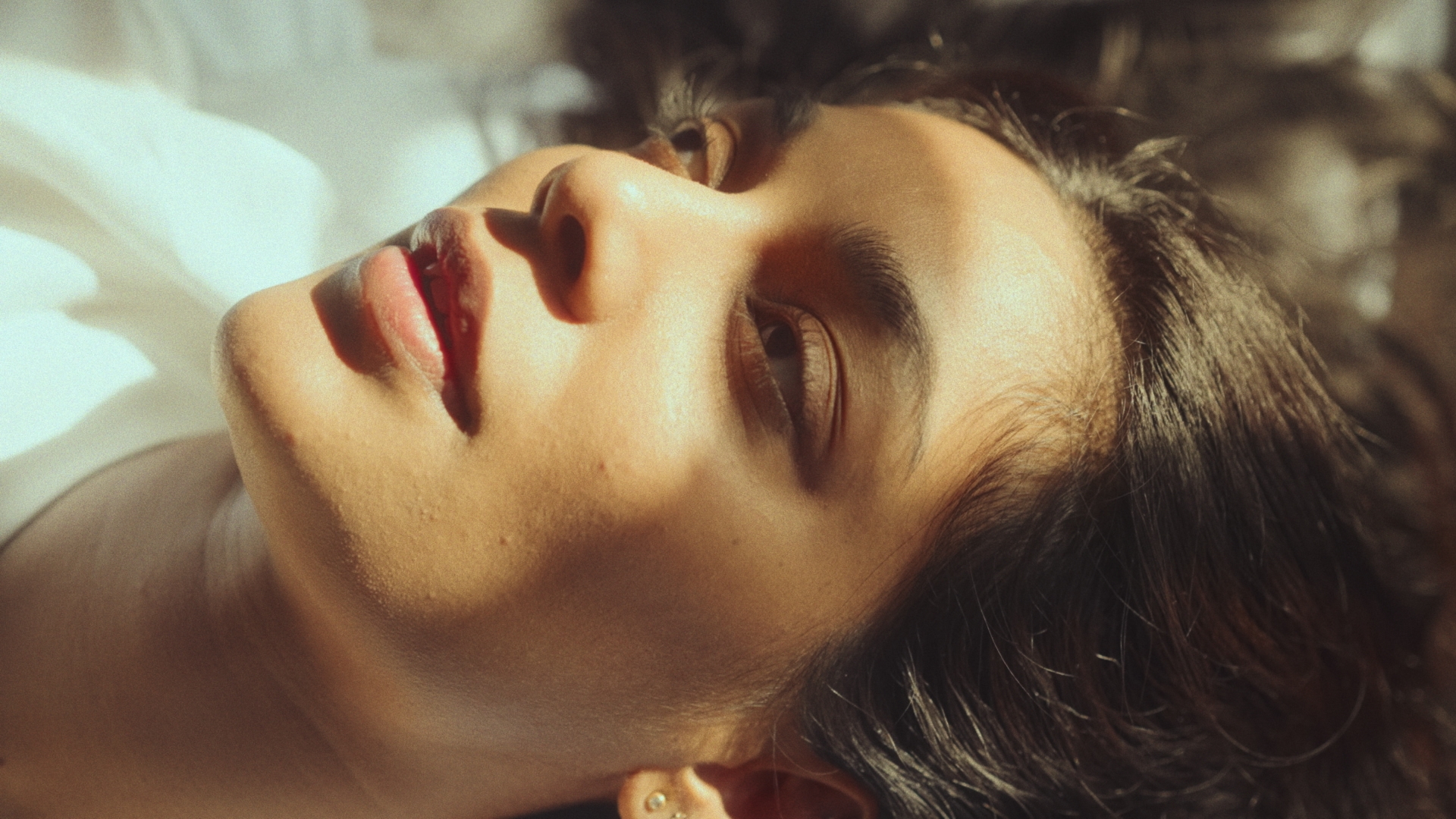
But our minds are not shaped by our experiences alone. They are shaped by other people too, by the words spoken to us, the love we received, the safety we felt, the relationships we grew within, and sometimes by the choices of others that changed our lives without our permission.
Perhaps this is one of the most difficult truths about mental health: not everything that lives within us began with us.
We cannot rewrite our childhoods, prevent every loss, choose how others behave, or protect ourselves from every experience that leaves a mark. Sometimes we are left carrying the emotional consequences of circumstances we never chose.
Mental wellbeing, then, cannot only be about control. Sometimes it is about learning how to hold what we did not choose: to understand it, process it, and give ourselves space to feel it without allowing it to define the entirety of who we are.
And the mind does not exist separately from the body.
Our thoughts, emotions and experiences interact continuously with our physiology. Stress can change our heartbeat and breathing within seconds. Fear can tighten our muscles. Grief can feel physically heavy. A feeling of safety can allow the body to soften.
I sometimes think of the phrase “our cells are listening.” I don’t mean that as a literal scientific explanation for every thought or emotion, but as a reminder that our inner world and physical body are deeply connected.
The mind speaks, and the body responds.
The soul
The soul is perhaps the quietest and most difficult part of ourselves to explain. It is the part that asks questions science cannot measure and life cannot always neatly answer.
Why are we here? Who are we beneath everything we have learned to be? Where do we belong? What gives our life meaning? What is our purpose? And, at the end of it all, what truly matters?
These questions have followed humanity for thousands of years. Across cultures, philosophies and generations, we have searched for ways to understand something that may never be completely understood.
Because perhaps the soul isn’t something we need to prove, measure or even define. Perhaps it is simply something we experience.
It can be standing beneath an enormous night sky and suddenly remembering how small we are. The inexplicable connection we feel with another person. The stillness we find in nature. The pull towards something we cannot quite explain. The feeling that a certain person, place or path somehow feels like home.
To me, the soul is part of health too. It is our sense of meaning, connection and being fully human.
Community
Community begins with a simple truth: we cannot do this alone.
We were never meant to.
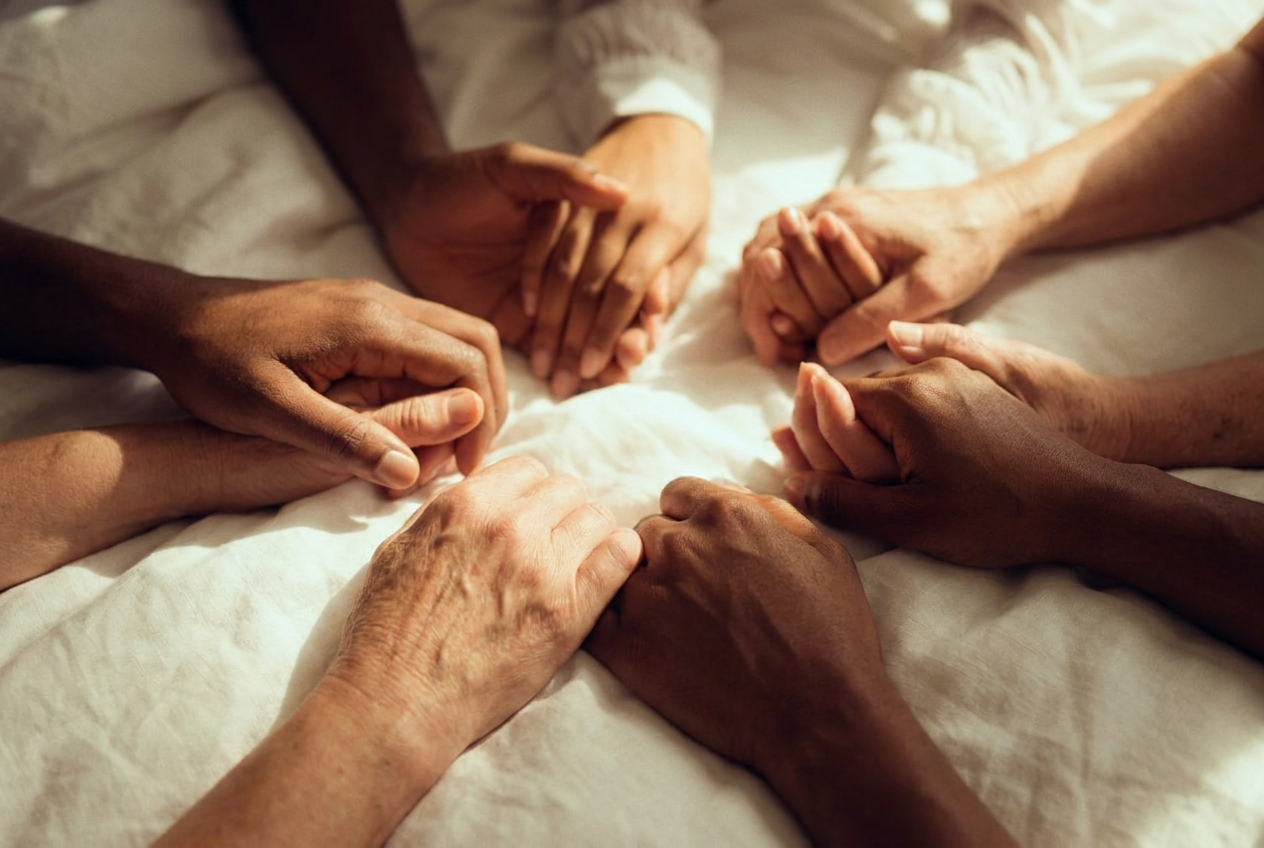
Human beings have always lived in relationship with one another, supporting each other, helping each other, caring for each other across different ages and stages of life. We need belonging. We need people we can turn to, whether that means one person, a family, a friendship, or an entire community.
Without that sense of connection, even a strong body, a steady mind and a clear sense of purpose can somehow still feel incomplete.
Body, mind, soul, community.
Four categories, endless overlap, and no clean lines between them.
So much of health can feel like something we are supposed to figure out alone. But I don’t believe it is, and I don’t believe it ever was.
That is also why creating a community around health makes so much sense to us. A place to learn, become inspired, discover better choices and take what feels useful to you, step by step, at your own pace.
Because health isn’t one destination or one perfect way of living. It is an entire life, lived under the sun.
Love,
Leonora
There’s more inside the Sunshine Community
Become a member to explore our full library of articles and resources, discover trusted practitioners and conscious brands, find nourishing recipes, events and more. All thoughtfully curated to help you make informed choices that work for you.